
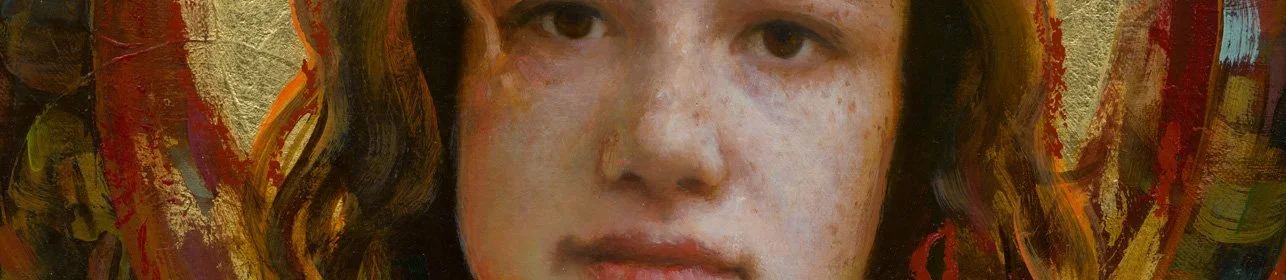
What is a Liturgy of Art?
A "Liturgy of Art" is defined as a rhythmic visual listening, sacramental practice of engaging with beauty to encounter the Divine. While Visio Divina is the ancient practice of praying with images, Rabbit Hill frames it as a liturgy—a "work of the people"—to emphasize that it is a formal, repeatable rhythm that moves the participant through four specific movements:
Behold(The Gaze): Setting aside the analytical mind to notice colors, light (chiaroscuro), and subject.
Reflect (The Meditation): Asking where the eye rests and what emotions or memories are stirred.
Pray (The Prayer): Turning observations into a direct conversation with God.
Rest (The Contemplation): Ceasing the "chase" for meaning and simply being present with the Creator.
Why is it Anglican?
In the Anglican tradition, sacred art is never mere decoration; it is a functional part of the life of faith. This "Liturgy of Art" is built upon three primary pillars:
Incarnational: It reminds us that God became flesh in Jesus Christ. Because the Creator took on a visible form, we can use the visible world as a pathway back to Him.
Liturgical: Much like a candle or an altar, artwork acts as a focal point—gathering our wandering thoughts and centering them on the mystery of the Gospel.
Contemplative: It invites us to move beyond "studying" a text with the intellect and into "beholding" the beauty of God with the heart.
From Passive Consumer to Active Participant
In the Anglican tradition, liturgy is the "work of the people." By framing Visio Divina as a Liturgy of Art, we move from being passive consumers of images to active participants in prayer. While this practice never replaces the unique efficacy of the Sacraments, it mirrors the liturgical rhythm of the Church:
Reflecting the Shape of the Eucharist Just as the Liturgy of the Word prepares us for the Table, the Liturgy of Art prepares our hearts to perceive the Divine. We move through a sacred sequence: Hearing (Scripture), Beholding (Art), and Communing (Prayer and Rest).
Inwardly Digesting We follow the specific Anglican call to "read, mark, learn, and inwardly digest." Here, we treat the artwork as a visual companion to the written Word, allowing the truths of the Gospel to take root in our sanctified imagination.
A Signpost of Grace Just as the elements of the Eucharist are outward signs of inward grace, the beauty of a piece of art serves as a secondary sign—a physical medium that points us toward the Creator, acting as a window into the sacred.
Conclusion
Ultimately, a Liturgy of Art is an invitation to slow down in a world of frantic looking. It is a discipline that trains our eyes to see the "extraordinary in the ordinary," teaching us that every brushstroke and every shadow can be a vehicle for God's presence. By engaging in this rhythm, we find that we are not just looking at a canvas; we are being looked at by the One who is Beauty itself.
As we learn to behold, we find our hearts being reshaped, our anxieties stilled, and our spirits nourished by the visible signs of God’s invisible grace.
"Late have I loved you, O Beauty ever ancient, ever new, late have I loved you! You were within me, but I was outside, and it was there that I searched for you. In my unloveliness I plunged into the lovely things which you created. You were with me, but I was not with you. Created things kept me from you... You flashed, you shone, and you dispelled my blindness." — Saint Augustine